Clinician-authored health information
This article supports informed conversations with your clinician. It does not replace an examination, diagnosis or emergency care.
Finding the Right Gynecologist in Kashmir and Jammu
If you've searched for "the best gynecologist in Kashmir" or "the top gynecologists in Jammu and Kashmir," you've probably noticed something frustrating — there isn't really an answer. No hospital board, medical council, or government body publishes an official ranking of doctors. What shows up instead is usually a mix of directory listings, review aggregators, and paid ads, none of which tell you much about whether a particular doctor is right for your situation.
So instead of chasing a ranking that doesn't really exist, it helps to know what actually matters when you're picking a gynecologist, obstetrician, or fertility specialist.
What should you actually look for?
Start with the basics: does the doctor hold a postgraduate qualification in obstetrics and gynaecology (an MD or MS), and have they done any additional fellowship training? Experience matters, too, but not just years on paper – ask what type of cases they handle regularly. A doctor who sees mostly routine antenatal visits is a different fit than one who frequently manages high-risk pregnancies or performs laparoscopic surgery.
It's also worth checking where they practice. Is the hospital equipped to handle complications if something comes up during delivery or surgery? And if your concern is fertility-related, does the doctor have focused training in that area, or is it something they handle occasionally alongside general gynaecology?
Reviews can help, but read them for substance rather than star ratings. A handful of detailed reviews describing how a doctor handled a difficult delivery or a long fertility journey tell you more than a 4.8 average with vague five-word comments.
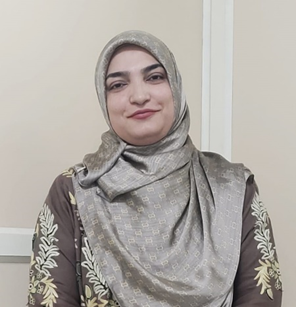
One doctor practicing in Srinagar worth mentioning here is Dr. Berkheez Shabir. She holds an MS in Obstetrics & Gynaecology along with a fellowship in the same field, and has spent over eight years practicing across India, Bangladesh, and the Maldives. She currently sees patients at Medicare Superspeciality Hospital in Srinagar and works as an infertility specialist at Bachan IVF Centre in Lal Chowk, handling everything from high-risk pregnancies and PCOS to IUI and laparoscopic surgery. She's not "the best" by any objective measure — nobody is — but her training and case range are worth knowing if infertility or high-risk pregnancy care is what you're dealing with.
"Most famous" isn't the same as "most qualified"
It's worth separating fame from competence. A doctor can be well known in a city for reasons that have nothing to do with clinical skill — word of mouth, being at a busy hospital, or simply having practiced longest in the area. That doesn't mean they're the wrong choice, but it shouldn't be the deciding factor either. If you can, book a consultation before committing to ongoing care. How a doctor listens to you and explains things in that first meeting usually tells you more than any review ever will.
What does "Consultant Obstetrician and Gynaecologist" actually mean?
The title sounds formal, but it's fairly simple. After finishing MBBS, a doctor completes several more years of postgraduate training specifically in obstetrics and gynaecology — obstetrics being pregnancy, labour, and delivery, and gynaecology covering the broader range of reproductive health, from PCOS to fibroids to menopause. "Consultant" refers to seniority within a hospital: it means the doctor carries independent clinical responsibility, performs surgeries, and typically oversees junior doctors, rather than working under supervision themselves.
Gynecologist vs. fertility specialist — what's the actual difference?
A gynecologist handles the broad picture of a woman's reproductive health: periods, infections, pregnancy, PCOS, menopause, and gynaecological surgery. Most gynecologists can also do an initial infertility workup as part of general care.
A fertility specialist goes a layer deeper. Their training focuses specifically on why conception isn't happening and what to do about it — hormonal testing, ovulation induction, IUI, and IVF. Some doctors combine both, which can actually be useful, since it means the same doctor can manage a patient through diagnosis, fertility treatment, and the pregnancy that follows, rather than handing them off between two separate practices.
As a general guideline, if you've been trying to conceive for over a year without success (six months if you're above 35), it's a reasonable point to see a fertility specialist rather than waiting longer.
This article is meant for general information and isn't a substitute for medical advice. Talk to a qualified gynecologist or fertility specialist about anything specific to your own health.