Clinician-authored health information
This article supports informed conversations with your clinician. It does not replace an examination, diagnosis or emergency care.
The Thyroid Problem Nobody Checks For, Until It's the Reason You Can't Conceive
If I look at the general population, thyroid disorders account for around 70-75% of the endocrine complaints I see, and women make up a large share of that, easily 30-35%. It's one of the most common conditions I treat, and also one of the most under-checked when it comes to fertility.
Here's the connection people don't always make: your thyroid isn't separate from your reproductive health, it's tied into it directly. An untreated thyroid disorder can make your cycles irregular, stop you from ovulating properly, cause difficulty conceiving, and increase the risk of miscarriage or complications during pregnancy. It's not a side issue. It's often the issue.
A case that stayed with me
One of my patients had been married for sixteen years. She'd had four miscarriages by the time she came to me for embryo transfer, and nobody had ever checked whether an underlying problem was causing them. When I looked into it, she had both diabetes and hypothyroidism — her TSH was 16, when it should ideally be under 3 in someone trying to conceive.
We started with the diabetes first, since I felt that was the more urgent piece, and referred her for that. Then I brought up the thyroid. She skipped it. Just didn't go. When I asked why, she started crying. She told me her in-laws kept asking why she kept going to the doctor, that she couldn't explain herself to them anymore, that she'd already spent three months on treatment and just wanted it to be over.
I told her plainly: I'll only continue this treatment once you're taking the thyroid medicine too. She was afraid of getting "habituated" to a tablet, which is something I hear constantly from women, as if a small daily pill is a bigger problem than an untreated thyroid disorder. I always ask them the same thing back: if small children can take thyroxine daily without any issue, why would it be a problem for you?
We got her thyroid under control alongside everything else. She's pregnant now. It happened just two weeks before I'm writing this, and alhamdulillah, it's a positive result she'd been waiting sixteen years for.
Another one, a smaller story but just as telling
I once had a patient who'd already been planned for embryo transfer before I even joined the fertility centre. Nobody had picked up that she also had undiagnosed diabetes and hypothyroidism. Two embryo transfers had already failed. Once we identified and treated both conditions properly, her next transfer was successful.
Neither of these women needed anything exotic. They needed someone to check the thyroid and actually treat it, and to take that treatment seriously instead of letting it slide because of family pressure or fear of "getting used to" a tablet.
What I'd ask you to take from this
If you've had irregular cycles, difficulty conceiving, or repeated pregnancy losses and nobody has specifically checked your thyroid function, ask for it. It's a simple blood test. If it comes back abnormal, treating it isn't a lifelong burden, it's very often the single change that makes everything else start working. Please don't let embarrassment, family opinions, or the "I don't want to get dependent on medicine" instinct stop you from treating something this manageable.
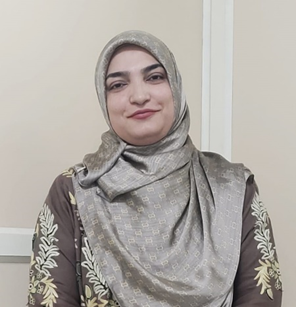
Dr. Berkheez Shabir is a Consultant Obstetrician, Gynaecologist, and Infertility Specialist. She practices as Consultant Obstetrician and Gynecologist at Medicare Superspeciality Hospital, Srinagar, and as an Infertility Expert at Bachan IVF Centre, Lal Chowk.