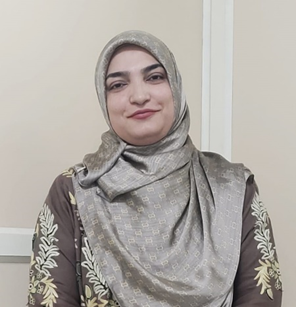
Clinician-authored health information
This article supports informed conversations with your clinician. It does not replace an examination, diagnosis or emergency care.
Introduction
Pregnancy is one of the most transformative journeys in a woman's life — but for some, it comes with added medical complexity. A high-risk pregnancy means that you, your baby, or both may need extra monitoring and specialist care throughout the nine months.
In Kashmir Valley, many women begin antenatal care late or miss key warning signs simply due to lack of awareness. Early identification of a high-risk pregnancy can be the difference between a safe delivery and a life-threatening complication.
At Womb2Bloom Healthcare, our specialists see and manage high-risk pregnancies every day. This guide is written to help you recognize the signs early — and act without delay.
What Makes a Pregnancy "High Risk"?
A pregnancy is classified as high-risk when conditions exist that increase the chance of complications for the mother, the baby, or both. This does not mean something will go wrong — it means closer monitoring is needed.
Risk factors can be pre-existing, such as diabetes, hypertension, or thyroid disorders, or they can develop during the pregnancy itself. Age also plays a role — women under 17 or over 35 are at higher baseline risk.
Understanding your personal risk profile is the first step your doctor will take during your first antenatal visit.
Warning Signs You Should Never Ignore
Severe headaches or blurred vision may indicate preeclampsia — a dangerous rise in blood pressure that can develop after 20 weeks. Left untreated, it can progress to seizures (eclampsia), which is a medical emergency.
Decreased or absent fetal movement after 28 weeks is a serious red flag. Healthy babies follow patterns of movement. If you notice your baby is moving less than usual for more than 12 hours, contact your doctor immediately.
Heavy vaginal bleeding at any stage of pregnancy requires urgent evaluation. It can indicate placenta previa, placental abruption, or miscarriage — all of which need immediate attention.
Severe abdominal pain or cramping, swelling of the face and hands, difficulty breathing, or persistent vomiting beyond the first trimester are all signs that need same-day medical review.
Pre-Existing Conditions That Increase Risk
Women with Type 1 or Type 2 diabetes need careful glucose management throughout pregnancy, as uncontrolled sugar levels increase risk of birth defects, large babies, and stillbirth.
Chronic hypertension requires medication adjustment during pregnancy, as some blood pressure drugs are unsafe for the fetus. Close monitoring at every antenatal visit is essential.
Thyroid disorders, particularly hypothyroidism, are common in women in the Kashmir region. Untreated thyroid imbalance during pregnancy is linked to miscarriage, preterm birth, and developmental delays in the baby.
PCOS (Polycystic Ovary Syndrome) increases risk of gestational diabetes and preeclampsia. Women with PCOS require early screening and proactive management.
How High-Risk Pregnancies Are Monitored
Management typically includes more frequent antenatal visits — often every 2 weeks instead of monthly. Additional ultrasounds track fetal growth and placental position. Doppler studies assess blood flow to the baby.
Blood pressure monitoring, urine protein testing, and blood sugar checks are done at every visit. In some cases, fetal heart rate monitoring (cardiotocography/CTG) is done regularly from 32 weeks onward.
At Womb2Bloom, our team follows a risk-stratified antenatal protocol — meaning the level of monitoring is tailored to your specific risk factors, not a one-size-fits-all schedule.
When to Go to the Hospital Immediately
Go to the emergency department without waiting if you experience: sudden severe headache with visual disturbance, heavy vaginal bleeding, no fetal movement for more than 12 hours, severe abdominal pain, or fits/seizures.
Do not wait for your next scheduled appointment. High-risk complications can escalate within hours. Womb2Bloom's emergency helpline is available 24/7 at +91 6006 700 425.
Conclusion
A high-risk pregnancy is not a reason for panic — it is a reason for preparation. With early identification, specialist care, and consistent monitoring, the vast majority of high-risk pregnancies result in healthy mothers and healthy babies.
If you have any of the risk factors mentioned above, or if something simply feels wrong during your pregnancy, trust that instinct. Book a consultation with Dr. Berkheez Shabir at Womb2Bloom Healthcare, Srinagar. Early action is always the right action.
👉 Book an Appointment at Womb2Bloom